


Business
The Portfolio Defense of ESG
Shareholder stewardship should prioritize companies’ effects on the economy and investors’ entire portfolios.

Shareholder stewardship should prioritize companies’ effects on the economy and investors’ entire portfolios.

Satellite technology can remake the reporting of environmental, social, and governance standards. But this spatial finance revolution requires help from industry and government.

Shifting consumer values can combine with market forces to green the economy.

Collaborations of diverse stakeholders confront predictable governance traps.

The National Geographic Society began as a Victorian-era institution of white gentlemen explorers dedicated to understanding the globe. To better reflect the world and thrive in the 21st century, it has diversified its leadership, transformed its internal culture, and created a media juggernaut.
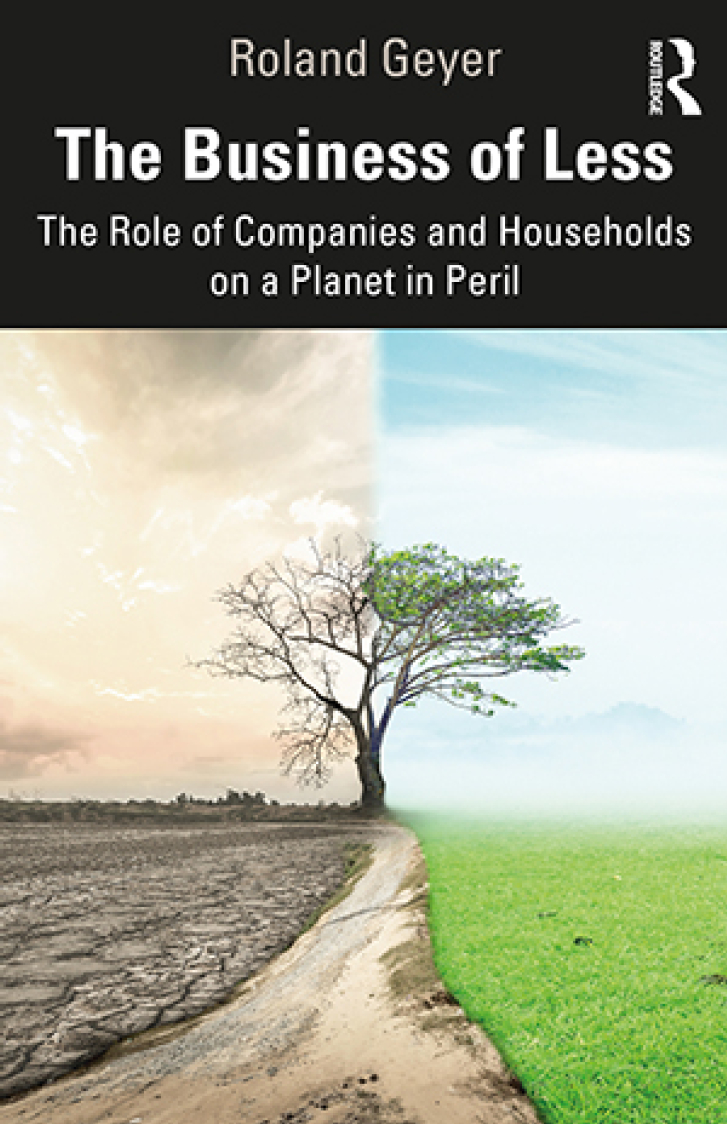
An excerpt from The Business of Less: The Role of Companies and Households on a Planet in Peril on how to fix corporate sustainability.

Why NGOs and funders need to take bigger leaps toward innovation in environmental conservation, and how a back-of-the-napkin risk assessment tool can help.
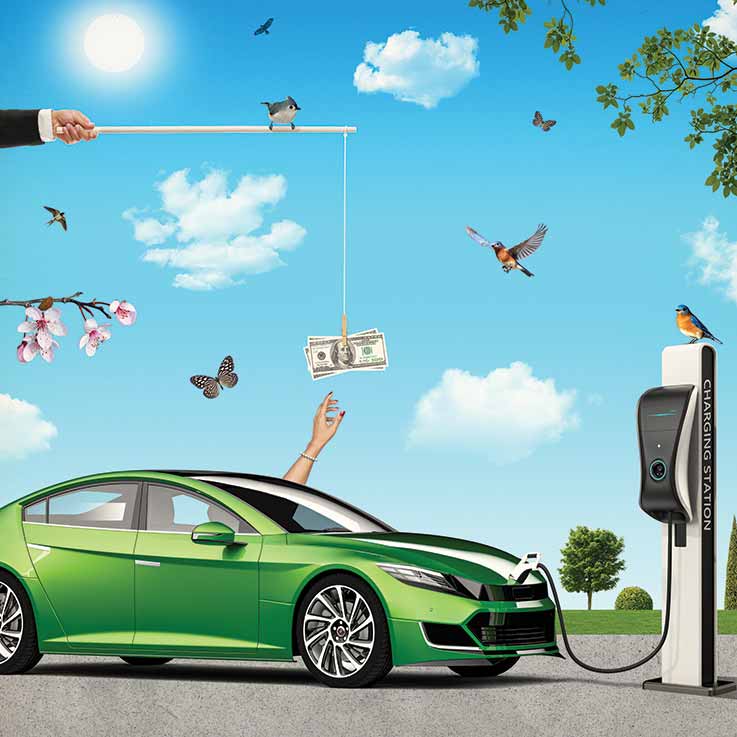
Economists have obsessed over the question of negative externalities, but market arrangements can also generate positive externalities. We should consider how to harness them for public good. | Open access to this article made possible by Harvard Business School Division of Research and Faculty Development

Activists use moral analogies with rogue industries and states to stigmatize fossil fuels.

With environmental devastation and social injustices pushing the planet to the breaking point, a stronger environmental, social, and governance (ESG) ratings system is needed to ensure investors get the positive impact they're paying for.